

Creating a Cohesive Wedding Style from Beginning to End.
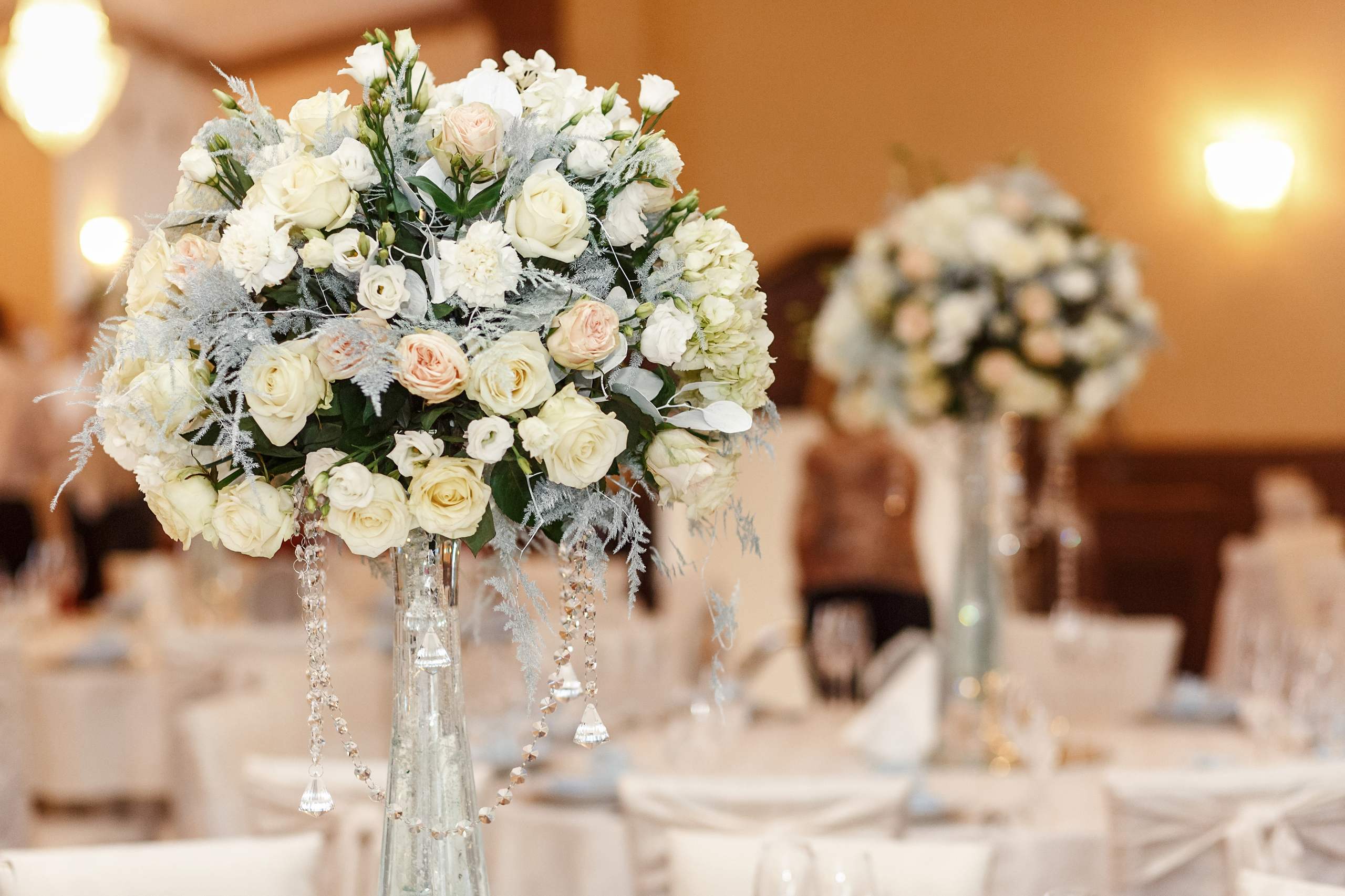
Wedding decoration is a lot more than just selecting flowers and deciding on table arrangements. It is about crafting a full visual narrative that resonates with the couple’s personality, feelings, and vision for their big day. An appropriately designed wedding style feels intentional, unified, and memorable right from the very first look until the last detail.
Define a Strong Concept First for Your Wedding
Every wedding design’s foundation is an idea. It is an idea that guides all creative choices, like the choice of color, the choice of decoration, and the selection of the decor of the space of the wedding.
The concept may be rooted in something else, such as a season, a setting, a special memory or simply a certain style like: modern elegance, rustic romance, or traditional luxury. It then becomes simpler to stick to the idea when the concept has been set.
It is difficult to have a matching or at least, a visually harmonious wedding décor if there is no particular concept.
Stick with a Theme
A color scheme is the main thing in wedding styling. A harmonious choice will tie together the various decorative items and result in visual unity and balance.
Generally, a wedding stylist will choose 2-4 main colors and use them to decorate flowers, table decoration, lighting, cloth material and others. As the foundation, neutrals may be used, whereas accents will be added using brighter or darker colors.
Some combinations of soft romantic mood are for instance: blush pink and ivory. Others that look more opulent and formal are navy and gold.
Define your Key Decorative Elements
When the wedding design concept is clear and the choice of colors done, one should proceed and define what the decorative pieces that will give the desired look to the wedding area should be.
Typically, they are:
The decor of the wedding ceremony – the arch or wall, the back
The flowers – the main arrangement, the flowers of the ceremony and the reception
The centerpiece – flowers in the center of the dining tables
The decorations of the entrance
The light arrangement
All the elements should complement the concept as a whole and not fight for dominance. This is true for any successful wedding design, it must have a balance between the elements so as to complement one another and achieve the desired mood.
Make the Ceremony Space Stand Out
The ceremony site is the central part of any wedding, and so, it should be highlighted well. It is where most guests turn their eyes towards and where the important events unfold.
However, in a way or a style, simple is also good. You can have an arch of flowers, hanging cloth drapes, candles or other modern designs to give the space a strong look without overcrowding the space.
This should help highlight and accentuate the emotion of the moment, especially with the newlyweds.
Think about the Reception Area
The reception space is what guests will see the most, it is important for it to be both beautiful and practical. The table setup, the seating plan and the arrangement on the table should be looked into closely.
The same principle of continuity applies here as with the decor; a reception design should follow through with the decor used at the ceremony by employing the same colors, textures and materials.
Here, light is very significant, and it helps to create a warm and cozy environment for the reception that will gradually turn into an evening occasion.
Remember the Small Touches
When it comes to styling, it is the tiny touches that stand out. Place cards, napkin folds, wall signage, table items, and other small items add value to the overall wedding experience.
Those should reflect the overall design and further the image of the wedding. In the end, such elements when well coordinated make for a sophisticated and polished outcome.
Even the smallest details can add to the guest experience significantly.
Keep a Balance between Creativity and Usefulness
Creativity is very important for the design of any wedding but it should not detract from its function. This allows the guests to move around freely, see everything that goes on, and to enjoy the wedding site freely.
Decorations should not impede the view, and the layout of the tables should be such that there is room for free movement. Any good wedding design will always consider both, the aesthetic beauty of the design and the usability.
The end results are more effective when creativity and functionality are well balanced and put together.
Final Words
Designing an aesthetic wedding style needs careful consideration and planning as regards its style; it also requires a clear and focused direction in the style; it requires attention to detail. By setting a solid style concept, by using a color scheme that complements it all, by picking the decor pieces carefully, a wedding stylist will succeed in delivering a memorable experience that looks beautiful, feels emotional, and looks very well put together. It may well be a creative art, but with patience and imagination, you will be able to design any wedding space to become a very personal tale.